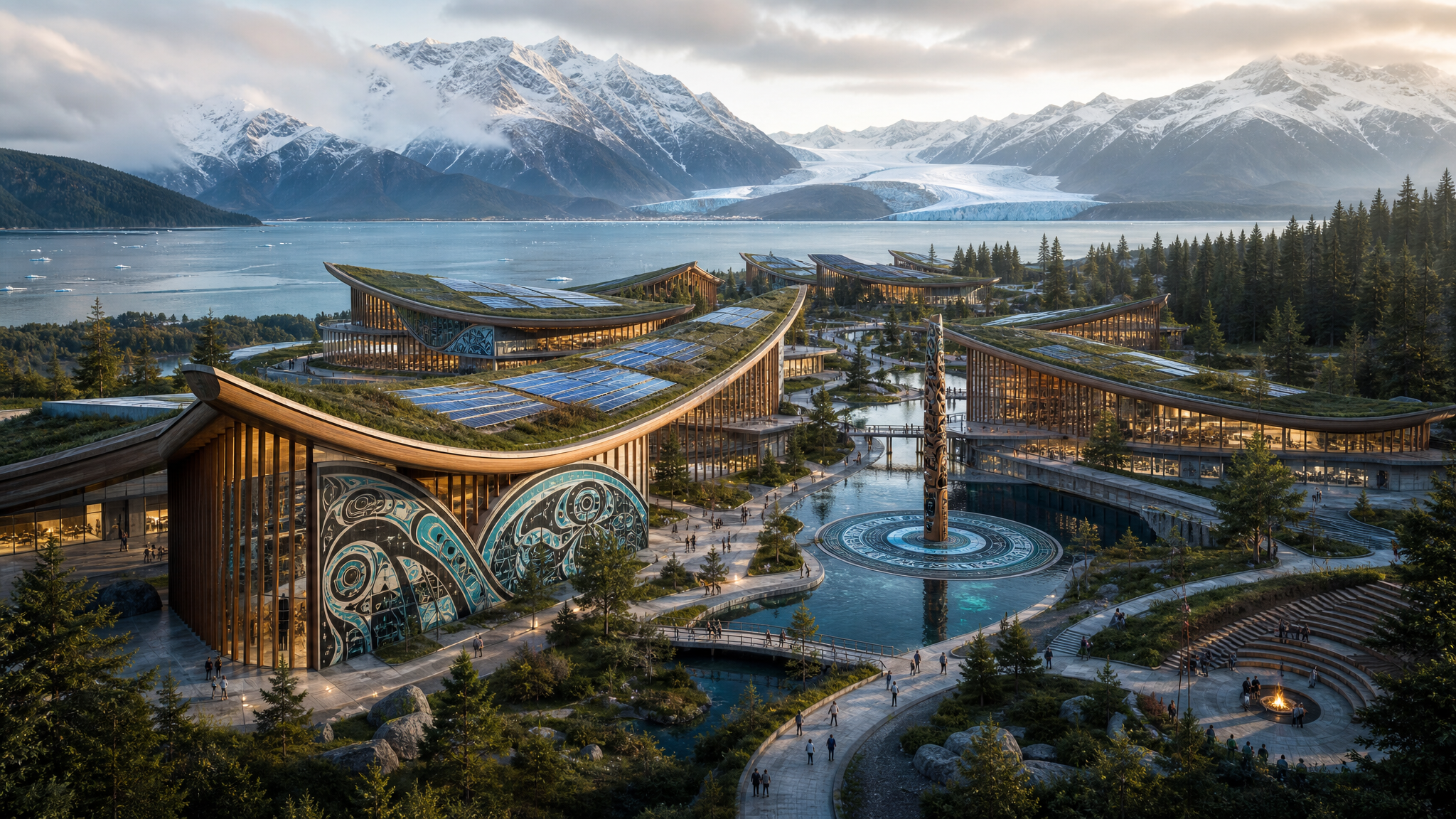
The Campus Plan
Grown from the landscape, not imposed upon it. Inspired by Tlingit longhouses, Buckminster Fuller geodesics, Nordic eco-architecture, Japanese sacred minimalism, biomimicry, and solarpunk futurism.
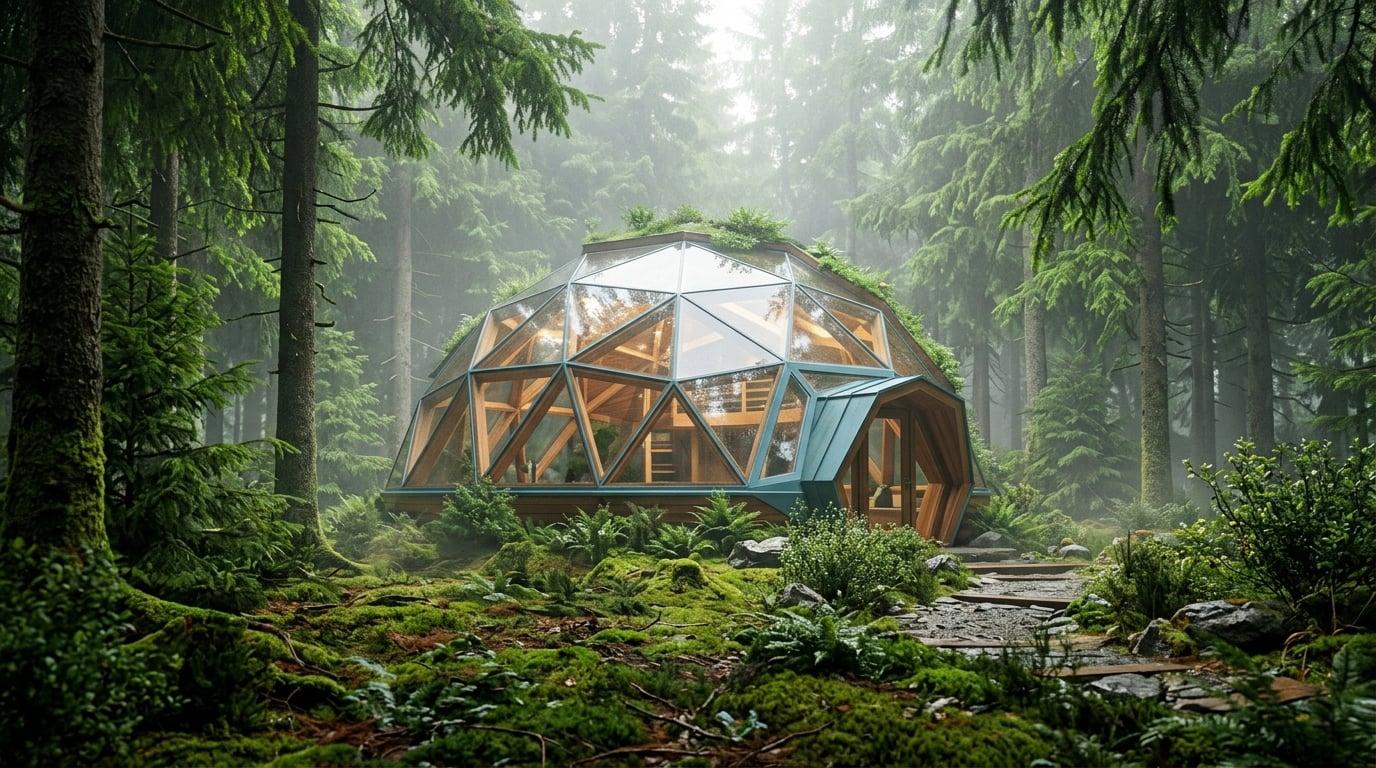
The Peace Dome
At the center of the campus stands the Peace Dome — a geodesic structure that serves simultaneously as coordination hub, ceremonial space, and governance chamber.
Like the pacemaker cell in cardiac tissue, its role is synchronization, not control. It doesn’t tell anyone what to do; it tells everyone what’s happening. The dome aggregates campus-level indices into shared metrics and redistributes them in real time.
The architecture references the longhouse tradition — a communal gathering space where decisions emerge through collective wisdom — merged with Fuller’s tensegrity principles to create a structure that appears to float above the landscape.
A Living Laboratory for Regenerative Systems
Each zone embodies one or more Resource Realms, creating a campus that is itself a prototype of the civilization it teaches.
Peace Dome
Central coordination hub, ceremonial space, and governance chamber. A geodesic structure inspired by Buckminster Fuller, serving as the heart of the campus where ceremony meets coordination.
Energy District
Catalyzed-fusion power systems, hybrid solar-wind microgrids with battery and hydrogen storage. The lead infrastructure because energy sits upstream of nearly every other realm.
Water Systems Hub
Atmospheric water generation, greywater recycling, bio-remediation wetlands, and renewable-powered membrane desalination. Watershed sovereignty begins here.
Food & Agriculture Zone
Aquaponics, hydroponics, soil remineralization, sea-kelp farms, and controlled-environment biodomes for year-round growing. Traditional harvest integration.
Regenerative Health Center
Preventive and regenerative care infrastructure. HRV biofeedback, hydrogen-rich water therapies, community clinics oriented toward sovereign health.
Shelter & Materials Lab
Modular basalt-composite building research, Wise Beams & Wise Walls, passive-plus designs, and off-grid integrated shelter prototyping.
Knowledge Commons
Library, research archives, digital learning spaces, and the Peace Engineer training facility. Where systems literacy becomes embodied practice.
Communications Array
Mesh networking infrastructure, open-source protocol development, and community media production. Defending narrative sovereignty.
Manufacturing Works
Basalt-fiber composite manufacturing, 3D printing fabrication lab, community maker-spaces. Turning volcanic rock into structural material.
Residential Village
Fellow and resident housing designed as resource-sovereign dwellings — each integrating its own energy, water, and waste systems. Community-centered living.
Future-Ancestral Architecture
Buildings that remember where they came from and know where they're going.
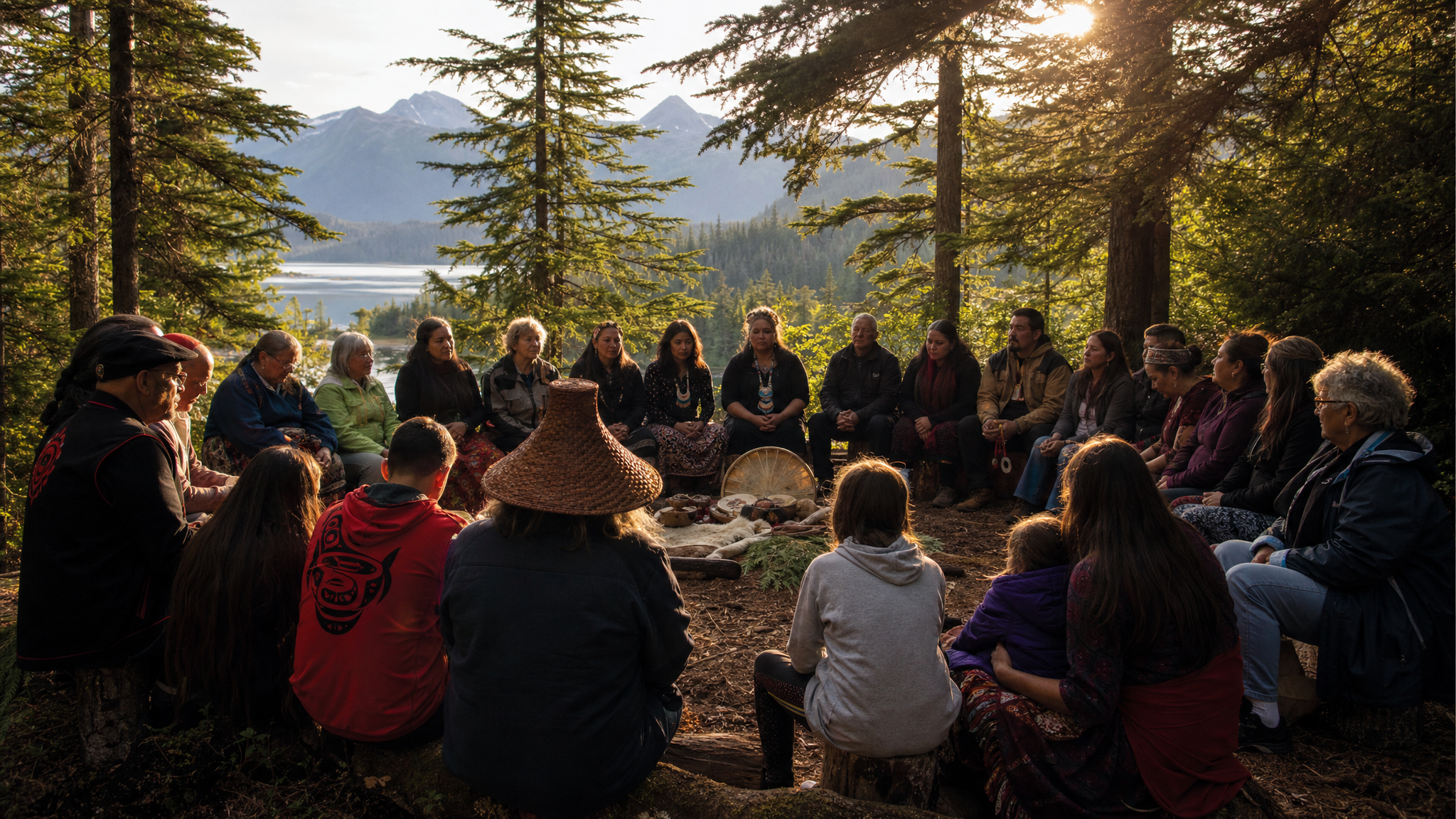
Tlingit Longhouse Wisdom
Communal gathering spaces where decisions emerge through collective wisdom. The longhouse is a technology for social coherence.

Regenerative Materials
Basalt-fiber composites, local timber, living roofs. Every material chosen for its ability to participate in the circular economy of the watershed.
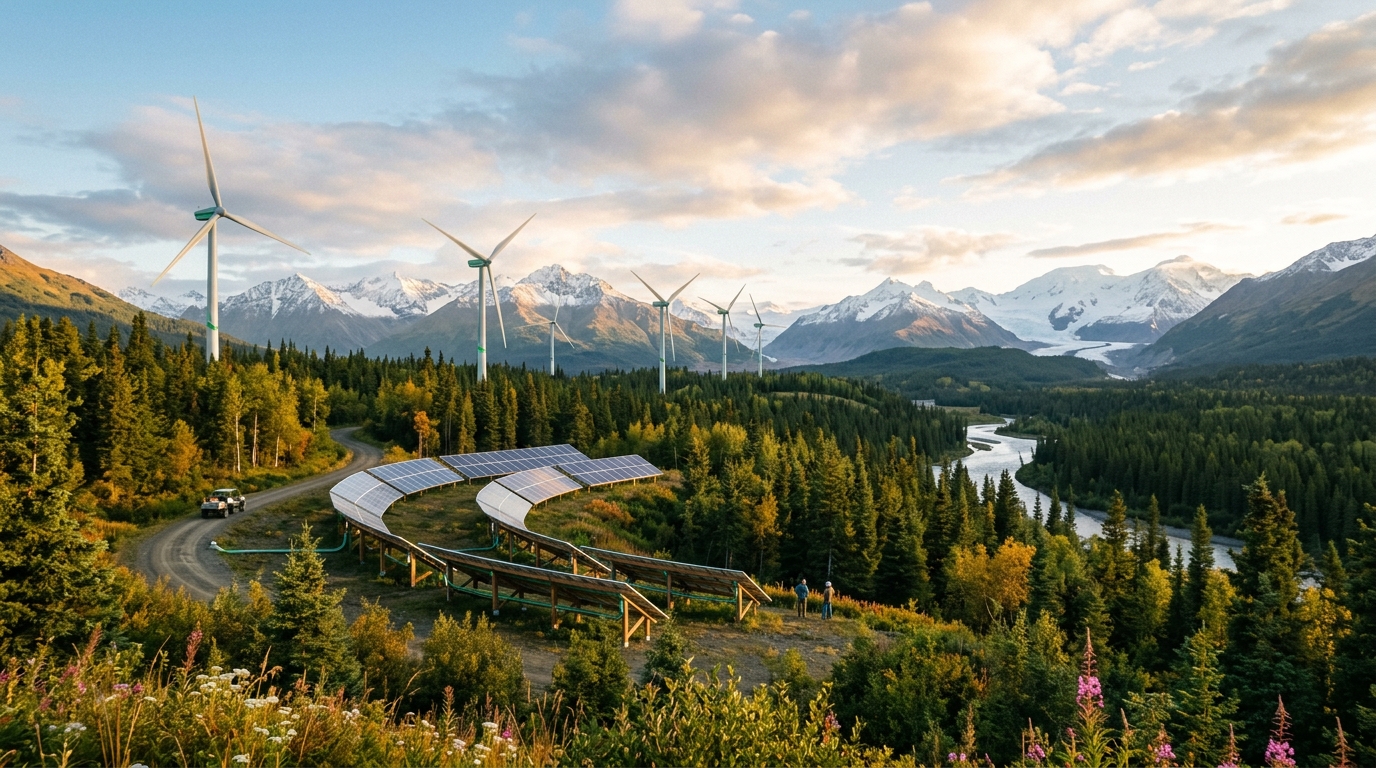
Integrated Living Systems
Every building is a node in the campus energy, water, and waste networks. Architecture as infrastructure. Shelter as sovereignty.